Short answer: Pay in the local currency unless the screen proves the other option costs less. Paying in your own currency is dynamic currency conversion (DCC): the terminal or ATM converts the price at a rate its provider sets, mark-up included. Local currency lets your card convert instead. Measured over the real rate on non-dollar purchases, that cost 1.93% on Tria Card and 1.32% on ether.fi Cash (October 2026).
Tap a card in Tokyo, Dubai or Bangkok and the screen may ask: local currency, or yours? Choosing yours hands the conversion from your card to the provider behind the terminal, and that provider sets the rate.
What is dynamic currency conversion?
Every purchase abroad needs one conversion. The question is who does it.
- Local currency: the shop charges yen, dirhams or baht. Your card converts, adding its FX fee if it has one.
- Your currency: the terminal converts first, at a rate its provider picks, margin included.
The terminal reads the card, not your address, and offers the card's currency, usually that of the country that issued it. A US resident in Japan sees dollars. A UK resident with a British card in the UAE sees pounds. A German resident in Thailand with a US-issued card, such as ether.fi Cash, may see dollars, not euros.
Should I pay in local currency or my own currency?
Pay in local currency unless the screen gives you a reason not to. The EU's official consumer guide, Your Europe, says local currency is often the cheapest option, and that the extra fees often make paying in your home currency more expensive.
| Local currency | Your currency (DCC) | |
|---|---|---|
| Who converts | Your card network and issuer | The terminal's or ATM's provider |
| The rate | Network rate plus your card's FX fee | The provider's rate, mark-up built in |
| Final amount known | When the payment posts | At the terminal |
| Your card's FX fee | Charged, if the card has one | Skipped only if the card settles that currency free |
So you are comparing the provider's mark-up with your card's FX. You know the second in advance. You see the first only if the screen shows it.
How much does my card charge to convert currency?
Our method charges the card's FX fee or 1%, whichever is higher, plus 0.3% for the network rate, on every purchase in a currency the card does not settle free. A measured figure replaces that estimate where a card was tested on real purchases.
| Card | No FX fee on | Cost over the real rate | FX on an $800 trip |
|---|---|---|---|
| ether.fi Cash | US dollars, euros | 1.32% measured, non-USD (73 purchases) | ≈ $10.56 |
| A card sold as "0% FX" | all, as advertised | 1.3% (our default) | ≈ $10.40 |
| Tria Card | US dollars | 1.93% measured, non-USD (335 purchases) | ≈ $15.44 |
| Plasma One Core | — | ~3.1% measured (3 purchases) | ≈ $25 |
Figures as of October 2026. Small samples are noisy, so each measured number carries its count. The Tria Card page shows how one card's FX line is built, and our ranking of travel debit cards sets these costs against the cashback each card pays.
What should I press at the card terminal?
- Say it first. Tell the cashier you will pay in the local currency. Some cashiers pick for you.
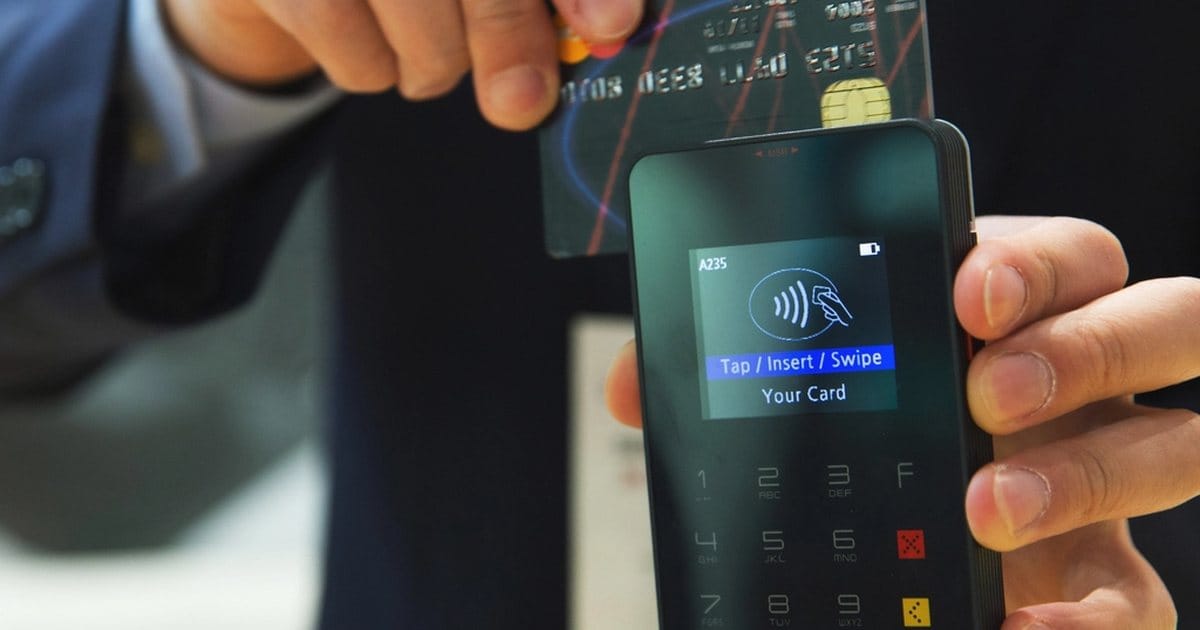
- Read the screen before you confirm. Look for two amounts, two currency codes or the word "conversion".
- Press the local currency. Yen in Japan, dirhams in the UAE, baht in Thailand: JPY, AED or THB.
- Ignore the framing. "No commission" says nothing about the margin inside the rate.
- Look for a percentage. Choose your own currency only if the mark-up shown is below your card's cost and your card settles that currency free.
- Check the receipt. Your currency plus an exchange rate means the terminal converted. Ask for the payment to be cancelled and run again in local currency before you leave.
Should I accept conversion at an ATM?
Decline it unless the screen proves it costs less. Cash machines word the choice as "with conversion" or "without conversion", "accept" or "decline". Choose without conversion: the machine pays out local cash and your card converts it. Any fee the ATM owner charges is separate from this choice, so read the fee screen too.
Is paying in my own currency ever cheaper?
Only when three things are all true: the screen shows the mark-up as a percentage, that percentage is below your card's cost on the local currency, and your card settles the offered currency free.
Take a US resident in Japan who is offered dollars. Tria Card charges nothing on dollars but measured 1.93% on non-dollar purchases, so a disclosed mark-up below that would cost less. On Revolut, which converts at 0% inside its plan's free exchange limit on weekdays, any mark-up is pure cost. And if your card does not settle the offered currency free, you pay twice: the mark-up, then your card's FX.
EU rules require a provider offering conversion at a terminal or ATM to show its total charge as a percentage mark-up over the European Central Bank's reference rate before you pay, and to tell you that you can pay in the local currency. Elsewhere you may see only a rate and a total. With no percentage to compare, press local.
Does dynamic currency conversion affect my cashback?
Yes, and the net effect is a loss. Cashback is normally paid on the amount charged to your card. With DCC that amount includes the mark-up, so you earn your cashback rate on the mark-up and lose the rest of it.
Our ranking counts the cashback you keep after plan fees, FX and other fees. It charges each card's FX on every purchase in a currency the card does not settle free, which assumes you pressed local currency. Run your own spending through the cashback calculator, or start with the travel cards ranked by what you keep.
FAQ
Is dynamic currency conversion a scam? No. It is a legal service, and you pay for it through the rate. In the EU, the provider must show its mark-up over the European Central Bank's reference rate before you pay, and you can refuse it.
Why does the terminal offer me US dollars when I live somewhere else? It reads the card, not your address. ether.fi Cash, for example, is issued by Third National in the US and charges 0% FX on dollars and euros. Compare any disclosed mark-up with its measured 1.32% on non-dollar purchases.
Can hotels and websites charge me in my own currency? Yes. The same switch appears on hotel bills and online checkouts. Check the currency before you confirm, including when booking flights.
Rankings use one formula for every card, including ours; no card can pay for a place. Cashbackpacker is run by Pelikan, which also offers the Pelikan × ether.fi card. General information, not financial advice. Crypto cards are not bank deposits; rewards, fees and availability change.
Related guides
- Best cashback card for travel (2026): ranked by what you keep in the US, UK, UAE and euro area
- Best travel debit card (2026): cashback vs FX, ranked
- Best card for booking flights (2026): who pays extra on airfare, and when it counts
- Best free cashback card for travel (2026): no annual fee, ranked by where you live
- Best cashback card for digital nomads (2026): home currency picks the winner